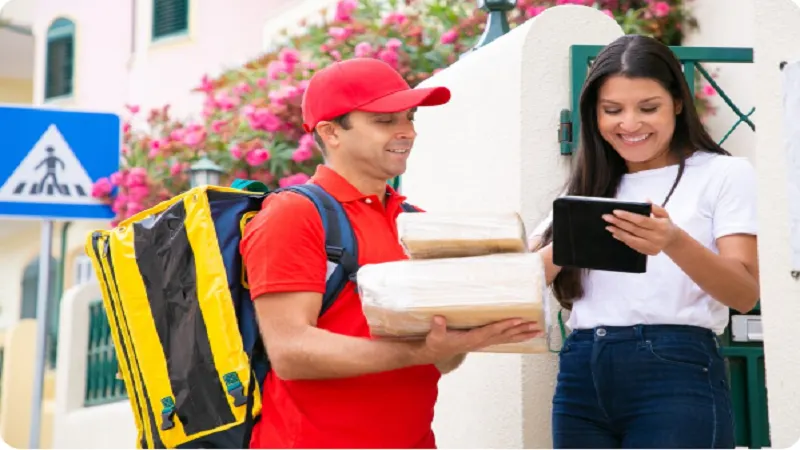
Travel and shipping are two activities that require organization, planning, and attention to detail. Whether you are preparing for a vacation, moving to another location, sending gifts to family, or arranging business deliveries, having a clear plan can make the process easier. Modern travel and delivery services provide many useful options, but understanding how to prepare properly can help reduce stress and avoid common mistakes.
The idea behind tripbuddy fedex can be viewed as combining practical travel planning with reliable shipping considerations. When travelers need to send luggage, personal belongings, documents, gifts, or other permitted items, careful preparation becomes especially important. A good plan should consider timing, packaging, addresses, costs, tracking, and the specific requirements of the destination.
This guide explains practical tips for organizing travel and shipping needs in a simple way. It focuses on general planning rather than promoting a particular company or service.
Understanding Travel and Shipping Needs
Travelers may sometimes need to transport more than what they can conveniently carry. Students moving between cities, families relocating, professionals traveling for work, and people sending gifts may all need shipping solutions.
Before arranging a shipment, determine exactly what needs to be transported. Make a list of the items, their approximate sizes, weights, destination, and required delivery date.
This basic information can help you compare available options and choose an appropriate method.
It is also useful to separate items that must travel with you from items that can be shipped separately. Important documents, medication that you are legally permitted to carry, valuables, and essential personal items may require special consideration.
Plan Ahead Before Your Trip
Good planning begins before the day of travel. Create a checklist that includes your transportation arrangements, accommodation, identification documents, luggage, and any shipments you need to arrange.
If you are shipping items before or during a trip, allow enough time for unexpected delays. Delivery estimates are not always guarantees, and weather, transportation problems, customs procedures, or incorrect addresses can affect delivery times.
Avoid waiting until the last possible moment when an item is needed for an important event. Sending items early can provide additional time to resolve unexpected problems.
Choose the Right Packaging
Packaging is one of the most important parts of shipping. A strong package can help protect its contents during handling and transportation.
Choose a box or container that is appropriate for the size and weight of the item. Avoid using a box that is significantly larger than necessary because excessive empty space may allow items to move during transportation.
Use suitable cushioning materials when needed. Fragile objects should have enough protection to reduce the risk of damage from normal handling.
Seal the package securely with appropriate packing tape. Check all seams and openings before handing the shipment to the carrier.
Label Packages Clearly
A clear and accurate label helps ensure that a package can reach its intended destination.
Provide the recipient’s complete name, address, postal code, and contact information when required. Double-check every detail before shipping.
If you are sending a package internationally, additional information may be required. Customs documentation must be completed accurately, including descriptions of the contents and other required details.
Avoid vague descriptions. Clearly identifying what is inside a package can help reduce confusion during processing.
Keep a copy or record of the shipping information for your own reference.
Keep Track of Important Shipments
Tracking can be useful when sending valuable, time-sensitive, or important items. A tracking number may allow you to monitor the progress of a shipment and identify potential delays.
Keep the tracking information somewhere accessible. If you are traveling, consider saving it digitally as well as keeping a physical record when appropriate.
Do not assume that a shipment has arrived simply because you expect it to. Check the available tracking information and confirm receipt when necessary.
For important documents or business materials, maintaining delivery records can also help with organization.
Consider Timing Carefully
Timing is particularly important when travel and shipping are connected.
If you are shipping luggage or personal belongings to a hotel, temporary residence, or another destination, make sure the receiving location can accept packages. Contact the accommodation or recipient in advance if necessary.
Consider the expected delivery date and your own arrival date. If a shipment arrives before you, there should be a reliable person or facility available to receive it.
If the package is needed immediately after arrival, allow a reasonable buffer rather than scheduling delivery for the exact day you reach your destination.
The practical planning principles of tripbuddy fedex can be useful here: organize transportation and shipping as separate parts of the same overall travel plan.
Understand Shipping Restrictions
Not every item can be shipped in the same way. Certain products may be restricted or prohibited depending on the carrier, destination, and transportation method.
Before packing an unusual or potentially restricted item, check the applicable shipping rules. This is particularly important for international shipments because regulations can differ between countries.
Examples of items that may require special handling or restrictions can include certain batteries, chemicals, perishable goods, dangerous materials, and other regulated products.
Never assume that an item is acceptable simply because it can be carried in everyday life. Shipping regulations may be different from airline baggage or personal transportation rules.
International Travel and Customs
International shipments require additional planning because packages may pass through customs.
Accurate customs information is essential. The description of the goods, their value, quantity, and other required details should be provided honestly and completely.
Different countries have different import rules, taxes, duties, and restrictions. The recipient may sometimes be responsible for charges associated with an imported shipment.
Research the requirements of the destination before sending the package. Allow additional time because customs processing can sometimes delay delivery.
If you are uncertain about a customs requirement, seek information from the relevant carrier or government authority rather than guessing.
Protect Valuable Belongings
Travelers should think carefully about how valuable belongings are transported.
Keep particularly important personal items with you when practical and permitted. For items that must be shipped, use appropriate packaging and consider available protection or declared-value options when relevant.
Create a basic inventory of valuable items before shipping them. Taking photographs of the contents and packaging can also help maintain a record.
Do not place irreplaceable items into a shipment without understanding the risks and available protections.
Important documents should receive special attention. Make digital copies of documents when appropriate and store them securely.
Shipping Luggage for Travel
Shipping luggage can sometimes be convenient for travelers who want to reduce the amount they carry during a journey.
Before sending luggage, confirm that the destination can receive it. Make sure the luggage is securely prepared and clearly identified.
Remove old shipping labels and markings that could cause confusion. Attach the current destination information securely.
Do not pack prohibited items simply because the luggage is being shipped instead of carried on a plane. Transportation restrictions may still apply.
Keep essential travel items, identification, money, important medications, and other necessary belongings with you according to applicable rules.
Prepare for Delays
Even carefully planned shipments can experience delays. Weather conditions, transportation interruptions, customs processing, incorrect addresses, or operational problems can affect delivery.
If an item is important for a specific date, plan ahead and allow extra time.
Have a backup plan when possible. For example, if a business presentation depends on printed materials, consider keeping a digital copy as an alternative.
Being prepared for delays can reduce stress and give you more options if something does not go according to plan.
Keep Costs Under Control
Shipping costs can vary based on package size, weight, destination, delivery speed, and additional services.
Before choosing a shipping option, understand the total expected cost. Do not focus only on the basic transportation price. Additional services, packaging, duties, taxes, or other charges may apply depending on the shipment.
Reducing unnecessary package size can sometimes help with costs, but never sacrifice appropriate protection simply to save space.
If you regularly ship items while traveling or for business, keeping records of previous shipments may help you estimate future expenses.
Organize Travel Documents
Travel organization goes beyond luggage and shipments. Keep important documents in a secure and easily accessible location.
Depending on your trip, these may include identification, tickets, reservations, insurance information, contact details, and relevant shipping records.
Digital copies can provide a useful backup, but protect sensitive information carefully. Avoid storing important documents in unsecured locations.
A simple travel folder, either physical or digital, can make it easier to find information when you need it.
Communicate With the Recipient
Communication can prevent many delivery problems.
Tell the recipient when a shipment is expected and provide relevant tracking information. If you are sending something to a hotel, office, or temporary address, confirm that the location accepts deliveries.
For international shipments, make sure the recipient understands that customs procedures or additional charges may apply when appropriate.
If the address changes, update shipping information as soon as possible. Incorrect or incomplete addresses can create unnecessary delays.
Travel More Efficiently
Good organization can make travel more comfortable. Prepare your belongings before leaving and decide which items you truly need.
Avoid overpacking. A lighter bag can make transportation easier and reduce the physical effort involved in moving between airports, hotels, stations, and other locations.
If you are traveling for an extended period, consider what can be purchased at the destination rather than transporting everything from home.
Shipping can be useful in some situations, but it should be planned according to cost, timing, convenience, and the nature of the items involved.
Use Checklists
A checklist can make complicated travel and shipping arrangements easier to manage.
Before leaving, check:
- Travel documents
- Accommodation details
- Transportation arrangements
- Luggage
- Important personal items
- Shipping labels
- Recipient information
- Tracking numbers
- Customs documents, if applicable
- Emergency contact information
A checklist helps reduce the chance of forgetting something important.
You can create separate lists for travel and shipping. This keeps the two processes organized while allowing you to see how they fit together.
Stay Flexible
Travel rarely goes exactly according to plan. Flights can change, transportation can be delayed, and shipping schedules can be affected by unexpected circumstances.
Try to maintain flexibility whenever possible. Avoid creating plans that depend on everything happening at precisely the expected time.
If a shipment is delayed, check the latest available information and contact the appropriate service provider if necessary.
Remaining calm and focusing on the next practical step can make unexpected situations easier to manage.
Build Better Travel Habits
Over time, travelers can develop habits that make future trips easier.
Save useful packing lists, keep basic travel supplies organized, and maintain records of important information. If you frequently ship items, note what packaging worked well and what problems occurred.
The goal is continuous improvement. Each trip can teach you something that makes the next one simpler.
The principles associated with tripbuddy fedex can be applied as a general approach to combining travel preparation with careful shipping organization. Planning ahead, checking requirements, and keeping accurate records can make both activities easier to manage.
Final Thoughts
Travel and shipping require thoughtful preparation, but they do not have to be stressful. Start by understanding what you need to transport, choose suitable packaging, provide accurate addresses, check restrictions, and allow enough time for delivery.
When traveling internationally, pay special attention to customs requirements and destination-specific rules. Keep important belongings secure and maintain records of your shipments.
The most effective travel plans are realistic and flexible by tripbuddy fedex. By organizing tasks early and preparing for possible delays, you can reduce unnecessary problems.
Whether you are sending luggage, gifts, documents, or personal belongings, the basic principles remain the same: plan carefully, package responsibly, communicate clearly, and keep track of important information. With these simple habits, travelers can approach their journeys and shipping needs with greater confidence and organization. See More: