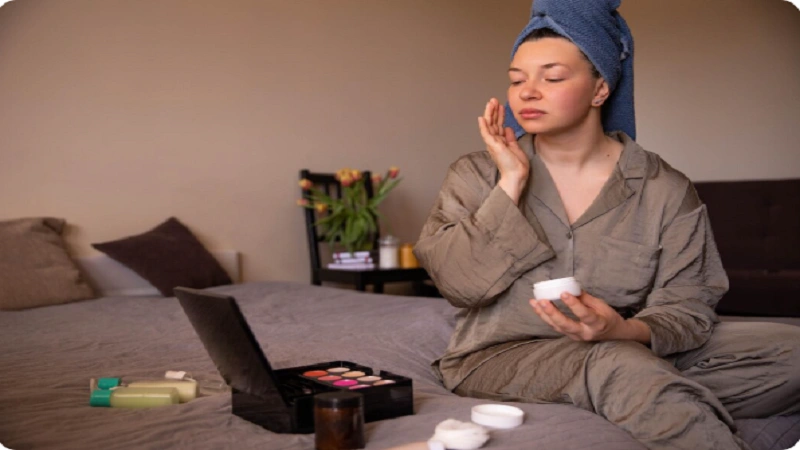
Self-care is an important part of maintaining a healthy, balanced, and meaningful life. Many people spend most of their time taking care of work, family, responsibilities, and other people while forgetting their own needs. Over time, this can lead to tiredness, stress, poor concentration, and a lack of motivation. Taking care of yourself does not mean being selfish. Instead, it means giving your body and mind the attention they need to stay healthy and strong.
Good lwspeakcare self care tips from letwomenspeak does not have to be expensive or complicated. Simple habits such as getting enough sleep, eating nutritious meals, staying active, taking breaks, and spending time doing things you enjoy can make a noticeable difference. The goal is not to create a perfect routine but to develop practical habits that support your physical, emotional, and mental well-being.
What Is Self-Care?
Self-care means intentionally taking steps to support your health and well-being. It includes activities that help you feel physically comfortable, mentally refreshed, and emotionally balanced. Self-care can be different for every person because everyone has different needs, responsibilities, and lifestyles.
For one person, self-care may mean taking a peaceful walk in the evening. For another, it may mean reading a book, preparing a healthy meal, getting enough sleep, or talking with a trusted friend. The most important thing is that the activity contributes positively to your well-being.
The idea behind LWSpeakCare Self Care Tips from LetWomenSpeak is that small, consistent actions can become valuable parts of everyday life. You do not need to change everything at once. Starting with one or two healthy habits can make self-care easier to maintain.
Make Sleep a Priority
Sleep is one of the most important parts of a healthy lifestyle. When you do not get enough quality sleep, you may feel tired, distracted, irritable, or less productive during the day. A regular sleep routine gives your body time to rest and recover.
Try to go to bed and wake up around the same time each day. Keep your bedroom comfortable, quiet, and suitable for sleeping. Avoid spending too much time on phones or other screens immediately before bedtime if they make it harder for you to relax.
A relaxing evening routine can also help. You might take a warm shower, read a few pages of a book, listen to calm music, or practice slow breathing. Creating a peaceful environment before bed can make it easier to prepare your mind for sleep.
Eat Nutritious Foods
Food plays a major role in how you feel throughout the day. A balanced diet provides your body with the nutrients and energy it needs for normal daily activities.
Try to include a variety of fruits, vegetables, whole grains, protein sources, and healthy fats in your meals. Drinking enough water is also important, especially when the weather is hot or you are physically active.
Self-care does not mean following a strict diet or avoiding every food you enjoy. A healthy approach is based on balance and consistency. Planning meals in advance can make it easier to choose nutritious options when you are busy.
Eating slowly and paying attention to hunger and fullness can also help you develop a healthier relationship with food. Instead of focusing only on restrictions, think about adding nutritious foods that support your overall health.
Stay Physically Active
Regular physical activity can benefit both the body and mind. You do not need to spend hours in a gym to become more active. Walking, stretching, cycling, dancing, gardening, or doing simple exercises at home can all contribute to an active lifestyle.
Start with activities that are comfortable and enjoyable. If you have been inactive for a long time, begin slowly and increase your activity gradually. Even a short walk can be a useful way to move your body and take a break from sitting.
Physical activity can also provide a mental break. Spending time outdoors while walking may help you disconnect from daily responsibilities and enjoy a change of environment.
Take Care of Your Mental Health
Mental well-being is just as important as physical health. Everyday responsibilities can sometimes become overwhelming, making it important to recognize when you need a break.
One helpful habit is to give yourself time without feeling guilty about it. A few quiet minutes can allow you to slow down and organize your thoughts. Journaling can also be useful because writing down worries, goals, or daily experiences may help you understand your feelings.
Practicing mindfulness is another simple option. Pay attention to your breathing, surroundings, and present experience instead of constantly thinking about the past or future.
If you are experiencing ongoing emotional difficulties, speaking with a qualified mental health professional can be an important step. Asking for support is a sign of strength, not weakness.
Create Healthy Boundaries
Healthy boundaries help protect your time, energy, and emotional well-being. Many people find it difficult to say no because they do not want to disappoint others. However, constantly accepting every request can leave you exhausted.
Learning to say no politely can be an important form of self-care. You do not have to provide a long explanation every time you decline something. A simple and respectful response can be enough.
Boundaries can also apply to communication and technology. You may decide not to answer work messages during certain personal hours or limit unnecessary notifications. Creating these boundaries can help you separate personal time from responsibilities.
Spend Time With Positive People
Relationships can have a strong influence on emotional well-being. Spending time with supportive people can help you feel connected and understood.
Make time for family members, friends, or other people who encourage healthy and respectful relationships. A conversation, shared meal, walk, or simple visit can strengthen connections.
At the same time, recognize relationships that consistently leave you feeling emotionally drained. You may not always be able to avoid difficult people, but you can decide how much time and energy you give to certain interactions.
Healthy relationships should include respect, honesty, communication, and reasonable boundaries.
Make Time for Things You Enjoy
Life can become focused entirely on responsibilities if you do not intentionally make room for enjoyable activities. Hobbies can provide relaxation and give you something positive to look forward to.
You might enjoy painting, cooking, reading, photography, gardening, music, writing, or learning a new skill. The activity does not need to be productive or profitable. Enjoyment itself is valuable.
Even a small amount of personal time can make your routine feel more balanced. Try setting aside regular time for an activity that makes you feel relaxed or inspired.
Reduce Unnecessary Screen Time
Technology can make life easier, but spending too much time looking at screens may interfere with rest and personal time. Constant notifications can also make it difficult to fully disconnect.
Consider creating periods during the day when you put your phone aside. You could avoid checking social media during meals, take screen-free breaks, or keep your phone away from your bed at night.
Instead of automatically reaching for a device during free time, try another activity such as stretching, reading, walking, or talking with someone.
The goal is not to completely avoid technology but to use it in a way that supports your lifestyle rather than controlling your attention.
Practice Simple Stress-Management Techniques
Stress is a normal part of life, but too much stress can affect your physical and emotional well-being. Learning simple ways to manage stress can make challenging situations easier to handle.
Deep breathing is one technique that can be practiced almost anywhere. Slowly breathe in, pause briefly, and then breathe out. Repeating this several times may help you feel calmer.
Organizing your tasks can also reduce stress. Write down what needs to be done and focus on one task at a time. Breaking large responsibilities into smaller steps can make them feel more manageable.
Taking short breaks throughout the day is another useful habit. A few minutes away from a stressful task can help you return with a clearer mind.
Build a Realistic Self-Care Routine
A self-care routine should fit your actual lifestyle. Creating a complicated schedule that is impossible to maintain can create more pressure instead of reducing it.
Start by choosing a few simple habits. For example, you might drink more water, take a short daily walk, improve your bedtime routine, and spend a few minutes each day doing something enjoyable.
The principles of LWSpeakCare Self Care Tips from LetWomenSpeak can be applied gradually rather than all at once. Small improvements can become lasting habits when they are realistic and repeated consistently.
It is also important to be flexible. Some days will be busy, and you may not complete everything you planned. Missing one day does not mean you have failed. Simply return to your routine when you can.
Listen to Your Body
Your body often gives signals when it needs attention. Persistent tiredness, tension, changes in sleep, or a general feeling of being unwell should not always be ignored.
Pay attention to how different habits affect you. Notice whether you feel better after sleeping well, eating balanced meals, moving your body, or taking regular breaks.
Self-care is not about trying to control every part of your life. It is about becoming more aware of what your body and mind need and responding to those needs in healthy ways.
If you have persistent or concerning symptoms, seek appropriate advice from a healthcare professional rather than relying only on self-care practices.
Make Self-Care a Daily Habit
Self-care becomes more effective when it is part of everyday life rather than something you do only when you feel exhausted. Small habits can be easier to maintain than occasional major changes.
You can begin each morning by thinking about one thing you want to accomplish for your well-being. During the day, take short breaks when possible. In the evening, reflect on what went well and what you might improve tomorrow.
The goal of LWSpeakCare Self Care Tips from LetWomenSpeak is to encourage practical habits that support a healthier and more balanced lifestyle. Self-care does not require perfection. What matters most is making choices that respect your physical, mental, and emotional needs.
Conclusion
Self-care is an essential part of living a balanced life. Getting enough sleep, eating nutritious foods, staying active, managing stress, creating boundaries, maintaining healthy relationships, and making time for enjoyable activities can all contribute to better well-being.
The most useful self-care routine is one that you can realistically follow. Start with small changes and give yourself time to develop them into habits. Remember that taking care of yourself is not something you need to earn after completing every responsibility. Your well-being deserves attention every day.
By following simple and practical LWSpeakCare Self Care Tips from LetWomenSpeak, you can create a routine that supports your health, energy, confidence, and overall quality of life.
Learn More:https://guidelwspeakcare.com/